
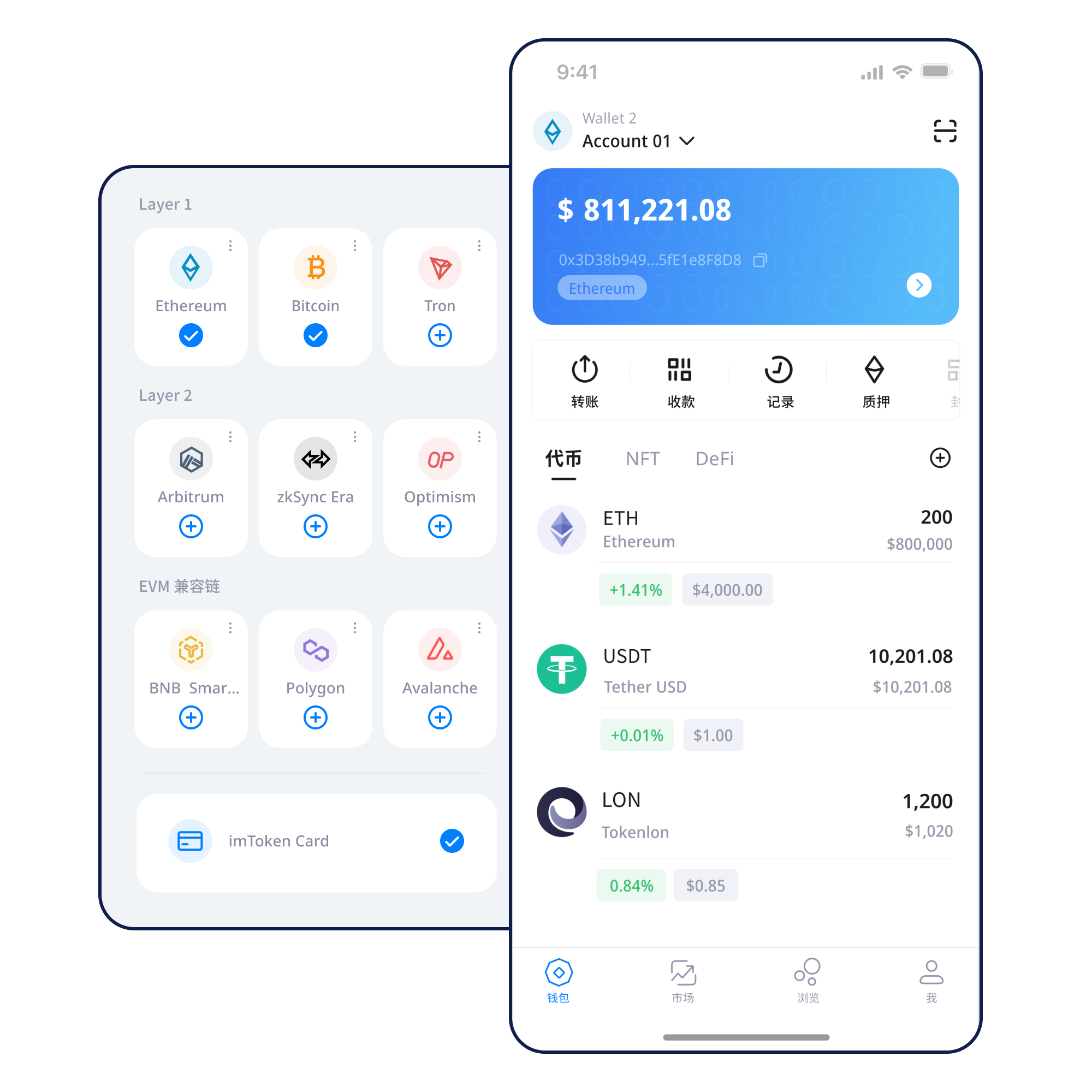
How a wallet represents assets
How a wallet represents assets is a practical part of understanding Wallet & Assets. A wallet interface is a view into on-chain state, not a substitute for checking the selected network, address and requested action. Before transferring, signing or approving, confirm that the asset, network and counterparty or contract are the ones you intend to use.
A repeatable review process around how a wallet represents assets helps reduce mistakes caused by rushed confirmations or network mismatches. Start by identifying the source of the request, review the important fields, and only then perform an action that moves assets or creates permissions. On-chain transactions generally cannot be unilaterally reversed by a wallet after broadcast.
For how a wallet represents assets, turn concepts into information you can verify: check the active network and its parameters, confirm where an address came from, understand any fee or permission, and keep a transaction hash when one exists. If the result differs from expectation, avoid repeated clicks and troubleshoot from network status, on-chain records and request details in that order.
Practical checks
- Confirm the object, network and source related to how a wallet represents assets
- Review address, amount, fee, permission or contract details
- After the action, keep an on-chain reference you can verify
Addresses and networks must be read together
A repeatable review process around addresses and networks must be read together helps reduce mistakes caused by rushed confirmations or network mismatches. Start by identifying the source of the request, review the important fields, and only then perform an action that moves assets or creates permissions. On-chain transactions generally cannot be unilaterally reversed by a wallet after broadcast.
From a security perspective, addresses and networks must be read together is also about control. imtoken will not ask for a seed phrase, private key or verification code, and those credentials should never be sent to another person. Third-party DApps, smart contracts and network services carry their own risks, so each connection, signature and approval should be evaluated on its own.
For addresses and networks must be read together, turn concepts into information you can verify: check the active network and its parameters, confirm where an address came from, understand any fee or permission, and keep a transaction hash when one exists. If the result differs from expectation, avoid repeated clicks and troubleshoot from network status, on-chain records and request details in that order.
Operational guidance
- Confirm the object, network and source related to addresses and networks must be read together
- Review address, amount, fee, permission or contract details
- After the action, keep an on-chain reference you can verify
Use on-chain results as the transaction record
From a security perspective, use on-chain results as the transaction record is also about control. imtoken will not ask for a seed phrase, private key or verification code, and those credentials should never be sent to another person. Third-party DApps, smart contracts and network services carry their own risks, so each connection, signature and approval should be evaluated on its own.
It is useful to place use on-chain results as the transaction record inside an end-to-end workflow for Wallet & Assets: prepare the information, verify the network, inspect the request, perform the action, then confirm the result with a transaction hash or block explorer. This separates wallet display from on-chain outcome and makes troubleshooting clearer when a transaction is delayed or fails.
For use on-chain results as the transaction record, turn concepts into information you can verify: check the active network and its parameters, confirm where an address came from, understand any fee or permission, and keep a transaction hash when one exists. If the result differs from expectation, avoid repeated clicks and troubleshoot from network status, on-chain records and request details in that order.
Practical checks
- Confirm the object, network and source related to use on-chain results as the transaction record
- Review address, amount, fee, permission or contract details
- After the action, keep an on-chain reference you can verify
Security boundaries for everyday use
It is useful to place security boundaries for everyday use inside an end-to-end workflow for Wallet & Assets: prepare the information, verify the network, inspect the request, perform the action, then confirm the result with a transaction hash or block explorer. This separates wallet display from on-chain outcome and makes troubleshooting clearer when a transaction is delayed or fails.
Security boundaries for everyday use is a practical part of understanding Wallet & Assets. A wallet interface is a view into on-chain state, not a substitute for checking the selected network, address and requested action. Before transferring, signing or approving, confirm that the asset, network and counterparty or contract are the ones you intend to use.
For security boundaries for everyday use, turn concepts into information you can verify: check the active network and its parameters, confirm where an address came from, understand any fee or permission, and keep a transaction hash when one exists. If the result differs from expectation, avoid repeated clicks and troubleshoot from network status, on-chain records and request details in that order.
Operational guidance
- Confirm the object, network and source related to security boundaries for everyday use
- Review address, amount, fee, permission or contract details
- After the action, keep an on-chain reference you can verify